Everyday Hand: A Natural Handwritten Font for Modern Web Design
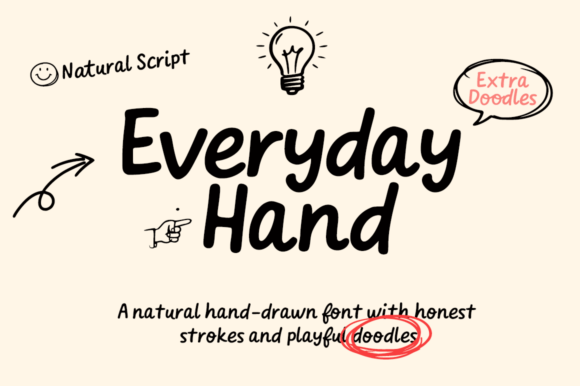
As a web designer, I’m always looking for typefaces that bring warmth and personality without sacrificing usability. Everyday Hand is one of those rare fonts that strikes a perfect balance between organic charm and digital clarity. It’s a natural hand-drawn script that mimics the fluidity of real handwriting, making it ideal for web projects that need a human touch without feeling forced or overly casual.
What sets Everyday Hand apart from other script fonts is its soft stroke variation and consistent rhythm. The letterforms aren’t too loose or exaggerated, which means they maintain readability even at smaller sizes. This is crucial when designing for the web, where users often scan content quickly. Whether you're building a landing page, a digital product interface, or an online store, this font can help establish a warm yet professional tone.
Where Everyday Hand Shines in Web Design
One of the best uses for Everyday Hand is in hero sections and headline areas. Its natural flow and soft curves make it highly effective for drawing attention without overwhelming the layout. It works especially well for creative brands, boutique businesses, and personal coaching websites where a friendly, approachable tone is key.
Here are some common use cases where Everyday Hand adds value:
- Hero Titles: Use it for large, bold headlines that set the tone of the page.
- Call-to-Action Buttons: Works well for short, inviting phrases like “Get Started” or “Join Now.”
- Logo Text: Great for brands that want a handcrafted or artisanal identity.
- Blog Headers: Adds a personal touch to article titles and featured content sections.
- Brand Kits: Perfect for designers creating cohesive visual identities for digital and print.
Readability and Visual Hierarchy
When using any decorative font on the web, readability should always be a priority. Everyday Hand performs well in short bursts—ideal for headings, subheaders, and small decorative elements. It’s not recommended for long-form body text, but that’s true for most script fonts.
For optimal legibility, use Everyday Hand at sizes above 20px for web headers and ensure sufficient contrast against backgrounds. On dark backgrounds, consider using a lighter weight or adding a subtle text shadow to maintain clarity. When overlaying text on images, try using a semi-transparent background box to ensure the font remains readable.
On mobile devices, keep the font usage limited to short phrases and headlines. Avoid using it for small buttons or navigation menus where clarity is critical. Instead, pair it with a clean sans serif for interface elements to maintain a cohesive visual hierarchy.
Font Pairing for Digital Projects
Everyday Hand is best used as a display font or accent typeface. Pairing it with a minimalist sans serif or a clean serif can create a strong visual contrast that enhances both usability and aesthetic appeal. For example:
- Use with Sans Serif: Pair with fonts like Montserrat or Open Sans for modern, clean layouts.
- Combine with Serif: Try it with a serif like Merriweather for editorial-style websites or digital magazines.
- Pair with Monospace: For tech or developer-focused sites, a monospace font like Fira Code can provide a unique contrast.
These combinations help maintain a balance between personality and professionalism. Everyday Hand can be the emotional anchor of your design, while the supporting fonts keep the layout grounded and functional.
Designing with Everyday Hand for Brand Identity
Brands looking to communicate authenticity and approachability will find Everyday Hand to be a valuable asset. It’s especially effective for lifestyle brands, wellness professionals, educators, and creatives who want their digital presence to feel personal and trustworthy.
For example, a coaching website using Everyday Hand in the hero section immediately signals warmth and accessibility. An online boutique using the font in product banners and promotional graphics can create a sense of handcrafted quality. Even in a SaaS landing page, Everyday Hand can be used subtly for testimonials or quote sections to humanize the experience.
Technical Considerations for Web Use
Before implementing Everyday Hand on a live website, make sure to check the available styles, weights, and character sets. Most premium versions include multiple weights (light, regular, bold), alternates, and multilingual support, which is essential for global brands.
Also, verify that the font includes webfont formats such as WOFF2 and EOT for broad browser compatibility. If you're using a font delivery service like Google Fonts or Adobe Fonts, ensure Everyday Hand is available and optimized for fast loading.
For client projects or commercial websites, always confirm the font’s licensing terms. Some fonts are only licensed for personal use, which can lead to legal issues if used in a live digital product. Premium font licenses typically allow for commercial use across websites, landing pages, templates, and brand assets.
Final Thoughts on Everyday Hand for Digital Design
Everyday Hand is more than just a decorative script font—it’s a versatile tool for web designers who want to inject personality into their projects without compromising readability or usability. Whether you’re designing a personal blog, a product landing page, or a full brand identity kit, this font offers a natural, approachable aesthetic that resonates with users.
Its soft strokes and organic flow make it ideal for brands that want to feel human and trustworthy. And with thoughtful font pairing and responsive design practices, Everyday Hand can become a key part of your modern web typography toolkit.